


Knyaa
The Lost Narratives of Traditional Saree Weaves
Exploring the rich stories woven into the fabric of tradition.
The Fabric of Stories
When we think about sarees, we often focus on their aesthetic appeal—those vibrant colors and intricate patterns. But what if we considered them as more than just garments? Each weave is a narrative vessel, telling stories that span generations, reflecting the culture, mythology, and history of its region.
Imagine draping yourself in a saree that embodies the legends of a community, or one that resonates with the rhythms of a local festival. The textures of silk, cotton, and even hand-spun khadi hold within them not just the memories of the weavers but the very essence of their lives. Each thread is a whisper of the past, a reminder of the traditions that shape our identities.
Yet, it feels like these narratives are becoming increasingly muted in the face of modern fashion. Fast-paced trends often overshadow the painstaking artistry behind traditional weaves. What happens to the stories when the focus shifts solely to surface appeal? Are we, in our quest for the new, losing touch with the rich cultural heritage that these sarees represent?
As we navigate this complex landscape, it's worth asking: what specific cultural stories are associated with notable saree weaves? How can we ensure that the narratives woven into these textiles are not forgotten, but rather celebrated and integrated into contemporary fashion?
Weaves as Cultural Mirrors
Saree weaves are more than just elegant drapes; they are vivid tapestries that encapsulate the essence of their regions. Each weave serves as a cultural mirror, reflecting the mythology, history, and traditions that have shaped the lives of those who create and wear them. Have you ever paused to consider how a single thread can weave together stories of gods, nature, and ancestral wisdom?
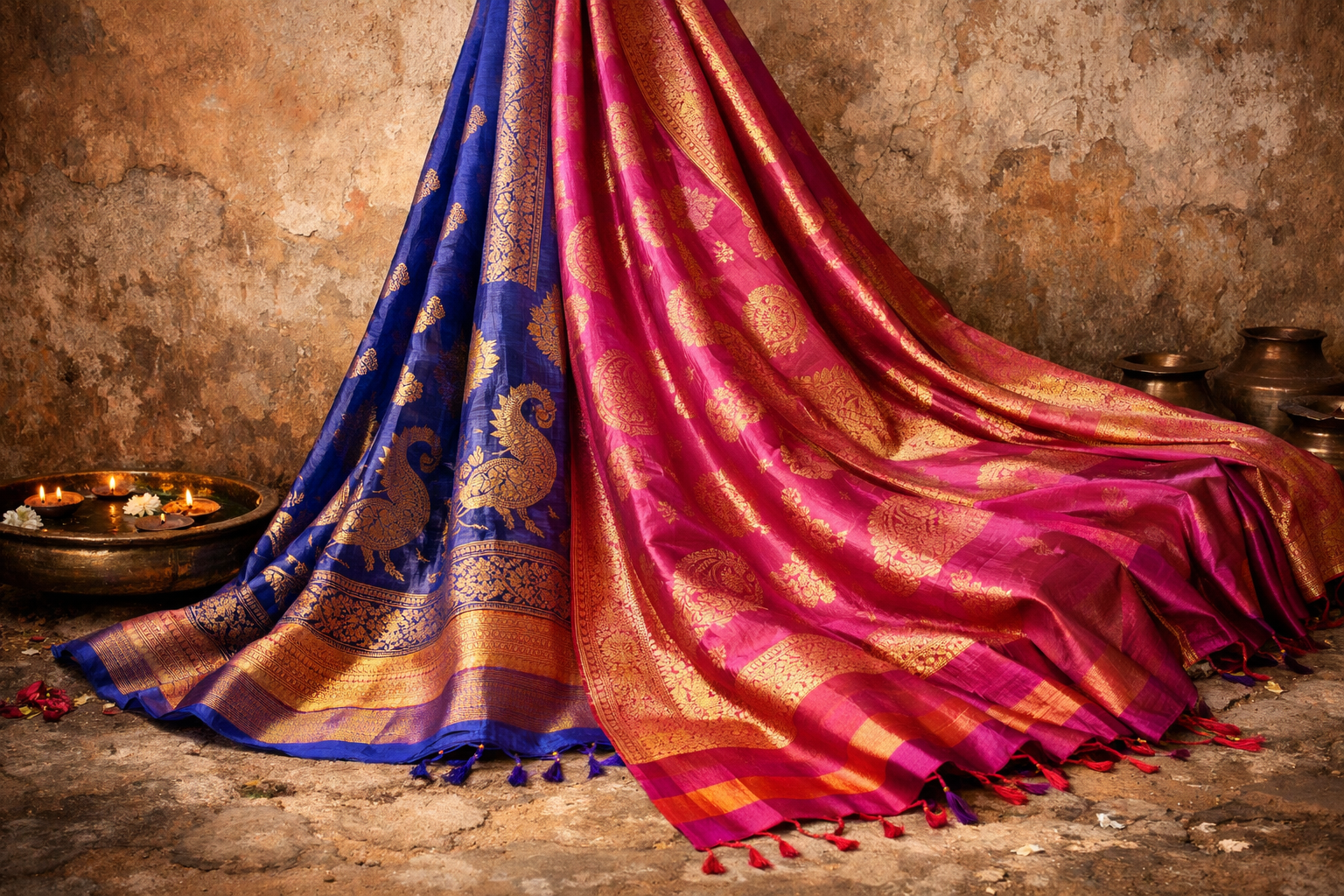
Take the Banarasi silk saree, for example. It’s not merely a piece of clothing; it’s a celebration of Varanasi's rich spiritual heritage. The intricate zari work mimics the shimmering glow of the Ganges, while motifs often draw from local flora and fauna, whispering tales of the sacred river. Isn’t it fascinating how a fabric can embody such profound narratives?
Similarly, the Kanjivaram saree from Tamil Nadu is steeped in legends that speak of royalty and devotion. The bold colors and elaborate designs tell stories of temple architecture and the vibrant festivals of the region. How often do we overlook these narratives in favor of the latest fashion trends?
As modern styles emerge, they can sometimes overshadow these deeply-rooted stories. It raises a question: how do we strike a balance between contemporary aesthetics and the rich cultural heritage embedded in traditional weaves? There’s a fine line between innovation and erasure.
Each time we drape a saree, we are not just making a fashion statement; we are participating in a continuum of cultural expression. How can we ensure that the tales woven into each fiber are not lost in the noise of fast fashion? As we explore these textures and patterns, let's delve deeper into the stories they tell, honoring the artisans who breathe life into these fabrics.
The Modern Fashion Shift
As we step into the vibrant world of contemporary fashion, it's hard not to notice the dazzling array of styles that dominate the scene. But amid the glitz, what happens to the rich narratives embedded in traditional saree weaves? These textiles are not merely pieces of fabric; they are living histories, telling tales of culture, mythology, and regional identity. Yet, they often find themselves overshadowed by the allure of modern aesthetics.
Take, for instance, the delicate weaves of Kanjivaram silk, each thread whispering stories of temple rituals and royal patronage. Or the intricate patterns of Banarasi sarees, reflecting the opulence of Mughal artistry. These narratives, however, are increasingly lost in the fast-paced fashion landscape where trends reign supreme.
Is it possible for modern styles to embrace these traditional tales without distorting their essence? Can we find a way to celebrate the craftsmanship and stories behind each weave while still appealing to contemporary sensibilities? As we ponder these questions, the challenge remains: how do we bridge the gap between the past and present?
Each weave is a chapter of history, a thread connecting us to our cultural roots.
Feeling the Weave
Have you ever paused to truly feel a saree? It’s not just about the fabric draping over your shoulders; it's a tactile journey through time and culture. The moment your fingers brush against the smooth silk or the coarse cotton, you enter a dialogue with the artisans who poured their stories into each thread.
Consider how different textures evoke emotions. The lustrous sheen of Kanjivaram silk, for instance, doesn’t merely catch the light; it whispers tales of South India’s temples and festivals. Meanwhile, a handwoven khadi saree might remind us of Gandhi’s vision of self-reliance and resilience. Each weave serves as a sensory anchor, connecting us to the socio-political narratives of their origin.
But what happens when these stories get overshadowed? Modern fashion trends often prioritize aesthetic over narrative, leading to a disconnect from the rich tapestry of meanings embedded in traditional weaves. When was the last time a contemporary design made you ponder the cultural significance of its origins?
This raises questions: What stories lie within the intricate patterns of a Banarasi saree? How can we ensure that these narratives are not lost amid the fast-paced evolution of fashion? As we explore these sensory experiences, we must remain vigilant stewards of the stories that these exquisite textiles hold.
Spotlight on Stories
Every saree tells a story, doesn’t it? When we look closely at traditional weaves, we find ourselves immersed in a narrative that speaks of culture, mythology, and the very essence of the regions they hail from. Take the Kanjeevaram, for instance. Known for its rich silk and vibrant colors, this saree is steeped in folklore. The intricate motifs often depict temple architecture, nature, or even mythological tales, each thread woven with intention.
Now, consider the Banarasi. It’s not just about the lustrous silk or the elaborate zari work. This weave carries stories of Mughal influence and the historical trade routes that connected distant lands. Each weave reflects a conversation between artisans and their heritage, a dialogue that modern styles often overlook. Why is it that we gravitate towards contemporary aesthetics, sometimes at the cost of these rich narratives?
And what about the Chanderi? Its lightweight fabric and unique patterns whisper tales of royal patronage and village craftsmanship. The sheer texture feels like a gentle breeze, yet it holds within it the weight of history—a contrast that is both striking and poignant.
So, as we admire these sarees, can we also pause to reflect on the stories they carry? How can we ensure that these narratives are not just footnotes in the annals of fashion history, but vibrant threads in the fabric of our modern identity?
Preserving the Past for the Future
When we think of sarees, we often envision the vibrant colors and intricate designs that catch the eye. But beneath the surface lies a treasure trove of stories—each weave encapsulating the culture, mythology, and history of its region. Have you ever paused to consider what these patterns signify? What tales are woven into the very fabric of your saree?
In an age where modern trends frequently eclipse traditional aesthetics, the narratives that once flourished in the folds of these textiles risk being forgotten. This raises an important question: how do we strike a balance? Can contemporary fashion evolve while still honoring the rich histories embedded in these weaves?
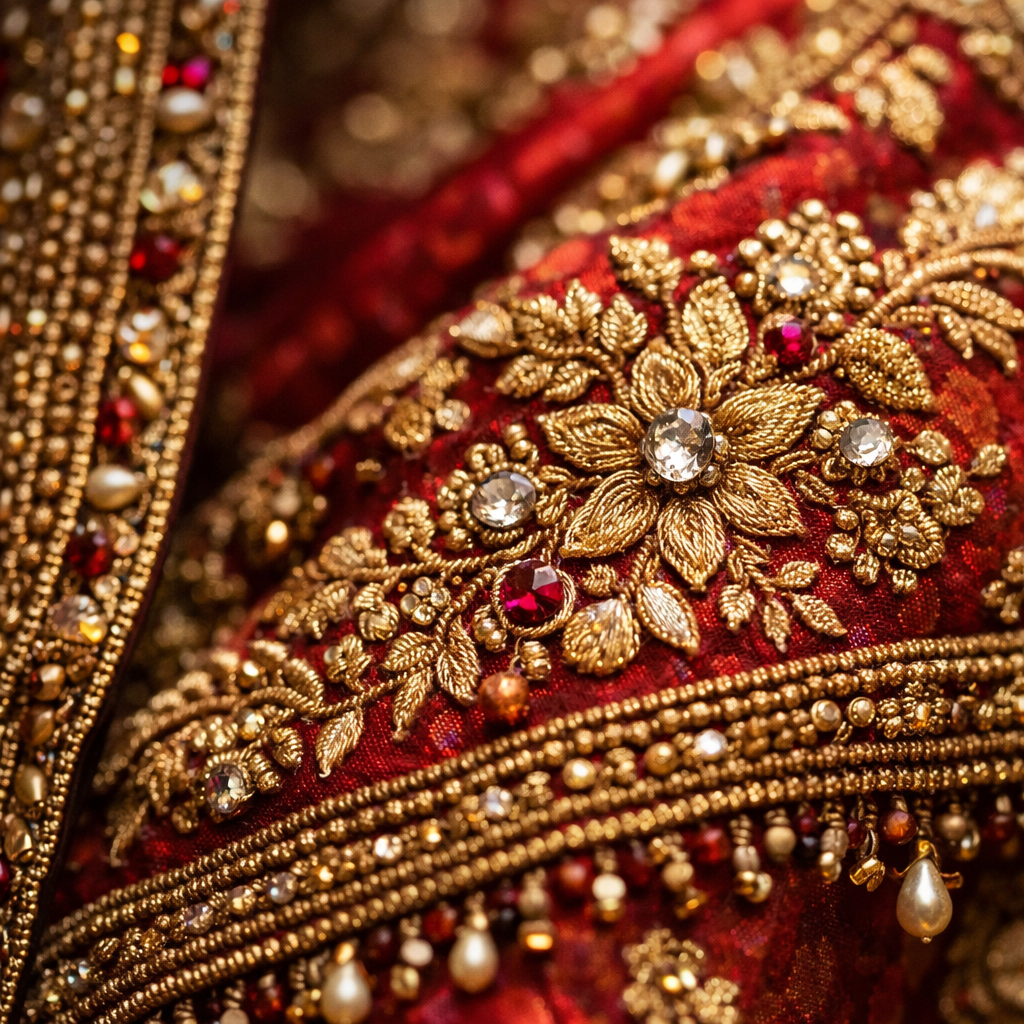
Take, for instance, the stories of the Banarasi saree. More than just a garment, it reflects the city of Varanasi's spiritual heritage and artisanal legacy. The intricate gold and silver brocades tell tales of opulence and devotion. Yet today, it sometimes feels overshadowed by the latest runway trends. What happens to these narratives when they are relegated to mere aesthetics?
Preserving these traditions goes beyond mere nostalgia; it’s about maintaining a connection to our cultural roots. Each saree is a living document, a piece of history that deserves to be honored and understood. How can modern designers incorporate these narratives? Could they, perhaps, create collections that narrate the stories of the weaves, rather than just showcase their beauty?
As we navigate the complexities of modern fashion, let's not forget the rich narratives woven into the sarees that tell our stories. What specific cultural stories are you most drawn to? And how can we ensure that these traditions continue to inspire future generations?
Bridging Tradition and Modernity
How can contemporary fashion truly embrace the narratives woven into traditional sarees? It’s a pressing question, especially as we see modern styles often overshadow the rich stories that these textiles carry.
Each saree is a tapestry of its own, intricately linked to the culture, mythology, and history of its region. Yet, in the rush of contemporary fashion, these narratives risk being lost. Isn’t it fascinating how a simple weave can encapsulate the essence of a community?
Take, for example, the vibrant motifs of a Kanjivaram saree. They often depict stories from local folklore, yet how many of us actually pause to consider the tales behind those intricate patterns? And what about the social significance of a Banarasi weave, historically worn during sacred rituals? These details can easily fall by the wayside amidst the modern hustle.
As we explore this intersection of the old and the new, what if designers began to incorporate these stories into their collections? Imagine a runway where each saree tells its own tale, inviting the audience to engage with the history and culture behind it.
It’s not merely about aesthetics; it’s about creating a dialogue with the past. How can we ensure that these narratives remain an integral part of contemporary fashion? Perhaps it's time to ask ourselves: how can we celebrate these stories without diluting their essence?
Engaging with Our Heritage
When we drape a saree, we’re not just putting on a piece of clothing; we’re wrapping ourselves in layers of history and culture. Each weave tells a story, echoing the myths, traditions, and regional identities of its origin. Yet, as modernity sweeps through the fashion landscape, these narratives often fade into the background, overshadowed by fleeting trends.
Consider the rich textures of a Banarasi silk, the intricate motifs of a Kanchipuram, or the simple elegance of a cotton Maheshwari. Each fabric has a language of its own, speaking to us of the artisans' hands that crafted it, the stories passed down through generations, and the rituals embedded within its fibers. What specific tales do these sarees carry? Are they reflections of love, loss, or celebration? Or perhaps they embody the very essence of a region's cultural identity?
As we engage with these textiles, we must ask ourselves: How can contemporary fashion honor these traditional narratives? Can we wear these stories without commodifying them? It’s a delicate balance to strike, but one worth pursuing.
So, the next time you find yourself drawn to a saree, pause for a moment. What stories are you uncovering? What history are you embracing? Let’s not just wear these beautiful fabrics; let’s delve deeper into the narratives that shape our understanding of culture and identity.


